18
Aug
Chipped Tooth Repair: Treatment Options
Reviewed by Dr. Ava Khodakhast
|
Reading time: four minutes
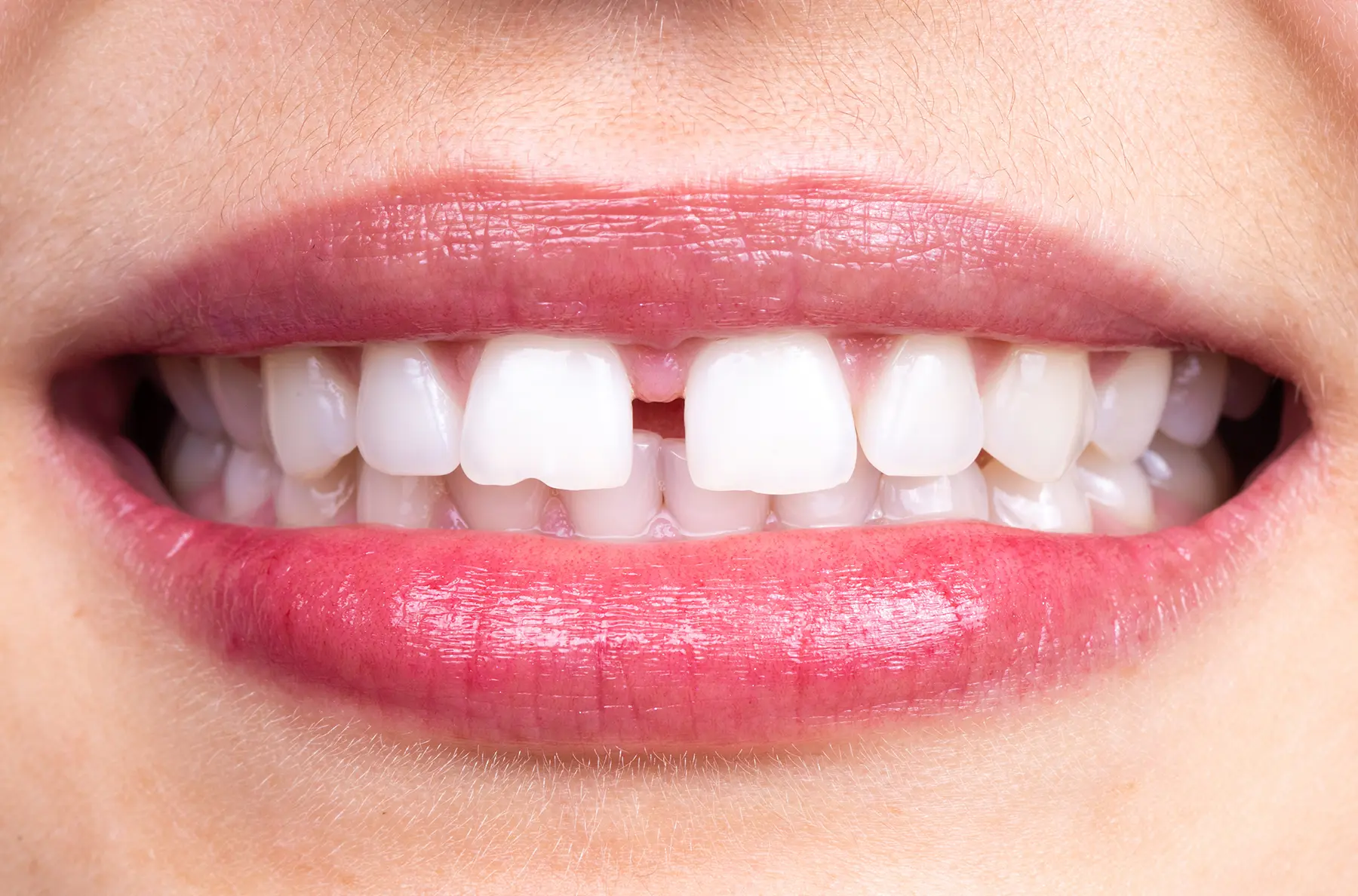
A chipped tooth may seem minor, but even a small fracture can weaken the tooth, cause sensitivity, or increase the risk of additional damage. Prompt evaluation helps determine the extent of the injury and the most appropriate treatment.
How Are Chipped Teeth Repaired?
Treatment recommendations are based on the condition of the tooth, with the goal of restoring its strength, function, and appearance while preserving as much healthy tooth structure as possible.
Minor chips may require only conservative treatment, while larger fractures often need more extensive restoration to rebuild strength and function.
What Determines the Right Treatment?
Not every chipped tooth is repaired the same way. The most appropriate treatment depends on several factors, including:
- The size and depth of the chip
- Whether the front or back tooth is affected
- Whether only the enamel is damaged, or the dentin or pulp is involved
- Existing restorations, such as fillings or crowns
- Your bite and the amount of force placed on the tooth
- Cosmetic concerns and overall function
Dental X-rays and other dental images may also be recommended if the fracture appears to extend below the visible portion of the tooth or if there is concern about injury to the root.
Treatment Options for a Chipped Tooth
Several treatments are available to restore a chipped tooth.
Dental Bonding
For small to moderate chips, dental bonding for a chipped tooth is often one of the most conservative treatment options.
During the procedure, a tooth-colored composite resin is used to rebuild the missing portion of the tooth. The material is carefully shaped to match the surrounding tooth before being hardened with a special light. Once polished, the restoration blends naturally with the surrounding enamel.
Dental Veneers
A veneer may be recommended for a chipped tooth when the damage affects the front teeth and a more durable cosmetic restoration is desired. A dental veneer is a thin porcelain shell bonded to the front surface of the tooth. Veneers restore the shape, size, and appearance of chipped teeth while maintaining a natural-looking smile.
Because veneers require healthy tooth structure for support, they are generally recommended when the tooth remains structurally sound.
Dental Crowns
When a large portion of the tooth has fractured, or the remaining tooth structure has been significantly weakened, dental crowns may provide the most predictable long-term restoration.
A crown for a chipped tooth covers the entire visible portion of the tooth, restoring its strength, appearance, and chewing function while helping protect it from further fracture.
Enamel Recontouring
Very small tooth chips that affect only the outer enamel may not require restorative material. In these situations, enamel recontouring smooths and polishes rough or sharp edges, improving comfort while preserving the natural tooth.
Root Canal Treatment
If a fracture extends into the pulp, the tooth may become painful or develop an increased infection risk.
When this occurs, root canals remove the damaged pulp, eliminate infection, and preserve the remaining tooth structure. After treatment, a dental crown is often recommended to restore strength and protect the tooth from future fracture.
What Should You Do After Chipping a Tooth?
Although some chips appear minor, it is important to have the tooth evaluated promptly. Small fractures can become larger if left untreated.
Until the tooth can be professionally assessed:
- Rinse your mouth with warm water.
- Save any broken pieces if possible.
- Avoid chewing on the affected side.
- Choose soft foods until the tooth has been evaluated.
- Avoid very hot or cold foods if the tooth is sensitive.
Treating the tooth early may allow for a more conservative repair while reducing the risk of additional damage.
Restoring Chipped Teeth at Argyle Dental & Prosthodontics
At Argyle Dental & Prosthodontics, treatment begins with a thorough evaluation to determine the extent of the fracture and the most appropriate way to restore the tooth.
Dr. Ava Khodakhast, DDS, has advanced training in prosthodontics and extensive experience restoring damaged teeth with conservative, long-lasting solutions. Every treatment plan is tailored to the condition of the tooth, with an emphasis on restoring function and appearance while preserving healthy tooth structure whenever possible.
Dental Care in Centennial, CO
To book an appointment with Dr. Khodakhast at our dental office in Centennial, CO, call (303) 770-2254 or visit us at 8120 S Holly St #208, Centennial, CO 80122.
FAQs
How much does it cost to repair a chipped tooth?
The cost depends on the severity of the damage and the treatment required. Minor chips repaired with dental bonding generally cost less than veneers or crowns. After the tooth is evaluated, the most appropriate treatment can be recommended, and a cost estimate can be provided.
Can a chipped tooth heal on its own?
No. Unlike bone, tooth enamel cannot heal or regenerate. Even if the chip is painless, the tooth should be evaluated to determine whether treatment is needed.
Is a chipped tooth a dental emergency?
Small chips without pain are not always dental emergencies, but they should still be examined promptly. Larger fractures, significant pain, bleeding, or an exposed nerve require immediate dental care.
Can a chipped tooth get worse if it isn’t repaired?
Yes. Even a small chip can become larger with normal chewing, increasing the risk of additional tooth damage and more extensive treatment.
Share this Article

Dr. Ava Khodakhast
Immerse yourself in the world of exquisite dental artistry crafted by Dr. Ava Khodakhast, a
distinguished prosthodontist whose journey is a testament to the fusion of science and art in
dentistry. With an unwavering commitment to elevating lives through her specialized expertise, Dr.
Khodakhast has redefined the landscape of prosthodontics, captivating hearts with her transformative
work.
Embarking on her odyssey in 2000 as a Doctor of Dental Surgery, Dr. Khodakhast's passion for her
craft led her to traverse continents for knowledge. She pursued her American DDS at the esteemed
University of Missouri, Kansas
City, setting the foundation for a remarkable career. Yet, her thirst
for mastery pushed her to delve deeper. Venturing into the realm of complexity, she dedicated three
intensive years at the Medical College of Georgia, earning a master's in Oral
Biology and seamlessly
entwining it with a Residency in Prosthodontics.
Prosthodontics is the symphony of precision and creativity, where every note is a smile transformed.
Dr. Khodakhast is a virtuoso in this art, specializing in intricate cosmetic makeovers, implant
procedures, and comprehensive mouth rehabilitation. Recognized as a "Diplomate" by
the American Board of
Prosthodontics and as a "Fellow" by the American College of Prosthodontists, she soars
among the select few who define excellence in this arena. Her certification as a prosthodontist is a
testament to her rigorous education and training, making her a beacon of expertise for dental and
maxillofacial reconstruction and rehabilitation. Dentists themselves entrust their patients to her
care, a testament to her unparalleled mastery.
A luminary in academia, Dr. Khodakhast served as the assistant director of Advanced Education in
General Dentistry at the University
of Missouri in Kansas City. She also worked in private practice
at UMKC, applying the techniques and skills she taught in complicated, aesthetic case settings.
During her junior year of college, she graced India with her charitable work, a touch of humanity
that infuses her artistry with compassion.
Emanating from the core of her being is a dedication to her patient's well-being. You can rely on
her to provide unparalleled care rooted in scientific precision and artistic commitment.
Success Stories
Trustindex verifies that the original source of the review is Google.
I love Dr. Khoda! She takes such great care of me & my dental needs. She is highly skilled and knowledgeable. She has 3-4 more certifications than just the DDS I see above. I’ve had 2 successful LANAP procedures with her!Trustindex verifies that the original source of the review is Google.
Dr Ava was wonderful!! A very kind, thorough and caring dentist and concerned at all times if I was having pain, which I wasn’t. I felt good in her hands. Loved seeing Julia and her friendly smile when I walked in. Ken the hygienest, was awesome too. He was very detailed. Everyone was very professional and welcoming.Trustindex verifies that the original source of the review is Google.
Trustindex verifies that the original source of the review is Google.
I am writing to share my review for Dr. Ava Khodakhast, DDS at Argyle Dental & Prosthodontics. I initially saw Dr. Khodakhast on 9/2/26 to discuss a complex, full-mouth dental restoration. I was very impressed with her and her staff, felt comfortable, and believed we had a solid plan in place. However, the experience following that initial visit was disappointing. On 9/16/26, I received a voicemail stating that Dr. Khodakhast had been in an accident, was going into treatment, and was not taking on new patients. The following day, as my husband and I were on our way to a coordinated appointment with an oral surgeon, that office called to cancel due to an emergency when I was just eight minutes away. After these cancellations raised concerns, I checked online and noticed Dr. Khodakhast had open availability. A friend then called the office to request a new patient consultation for a full-mouth restoration and was offered an appointment the same week. I would have preferred direct honesty rather than an untruthful explanation about an accident. While the initial care and staff interaction were excellent, this lack of transparency was very unexpected. Because the staff was genuinely nice and helpful throughout my visit, I am giving a three-star review rather than a lower rating.
Owner's reply
Sorry for your confusion Mrs. Jill R. We take patients’ experience very seriously. While we conveyed the correct info, we did not explain that currently, Dr. Khoda is unable to bend her neck to accommodate patient’s unique posture needs in the dental chair and hence cannot treat folks who require non-ergonomic provider postures to accommodate their condition. We regret that we cannot treat you at this time and wish you excellent care elsewhere.
(Translated by Google, see original)Trustindex verifies that the original source of the review is Google.
Caring, knowledgeable, answers all questions professionally, a great dental practice with Dr Khodakhast at the helm!!! Nancy Risoli
Owner's reply
Thank you so much for your kind words, we look forward to continuing great service and to go above and beyond!Trustindex verifies that the original source of the review is Google.
beautiful office, kind staff, Dr K was so sweet, and helped me feel informed about my choices for dental work. Prices were so reasonable and she was thorough in her work to make sure I was satisfied with my results. I had my first ever filling done here and she made me feel as comfortable as possible throughout the whole process!
Owner's reply
We love hearing such great feedback, thank you! We always strive to make the patient comfortable while delivering outstanding care and results.Trustindex verifies that the original source of the review is Google.
Dr Ava is very knowledgeable and kind! Would recommend!
Owner's reply
Thank you so much for the kind review! We appreciate your confidence and appreciation for our thorough care!Trustindex verifies that the original source of the review is Google.
Owner's reply
Thank you so much for the 5-star review!Trustindex verifies that the original source of the review is Google.
Staff is SUPER friendly and knowledgeable. I hadn't gone to the Dentist in over 7 years, so I knew I was in trouble. But the cleaning process went by very smoothly, I thought my teeth would be super sensitive, but they weren't and Dr. Ava was great, and I got to wear cool banana yellow sunglasses 😎. I would recommend this place to anyone, even if I did end up with two cavities😋 Update 10/19/24, so I had my cavities taken care of and that went quite smoothly. Yes, needles suck, but Dr. Khoda and her delightful assistant made me feel at ease🙂. Was a 'lil disappointed that I didn't get to wear the banana glasses this time around tho😋 Thanks you guys🙌🏾 Update 9/7/26, so I just recently got a bridge put in after missing my second to last tooth on the bottom/right for 30 years!! Dr. Khoda and her assistant did a TOP NOTCH job! I couldn't be more happier, it's life changing after having to eat basically on one side of my mouth for all those years. Next I'm getting Invisaline at the end of the month, she recommended BHO Orthodontics, run by Ben Hoggan, can't wait, wish me luck!
Owner's reply
Thank you so much for your kind words, we look forward to continuing great service and to go above and beyond!Trustindex verifies that the original source of the review is Google.
Thanks to everyone at Arglye Dental for your excellent treatment in meeting my dental needs! Ken is awesome!!
Owner's reply
Thank you so much for the kind review! We appreciate your confidence and appreciation for our thorough care!Trustindex verifies that the original source of the review is Google.
Owner's reply
Thank you so much for the 5-star review!Trustindex verifies that the original source of the review is Google.
I can't say enough wonderful things about my experience with Dr. Ava, Rose, Ben and Julia, (the whole team). From the moment I walked in, I felt like I belonged there. I was greeted with a warm welcome, cared for and completely at ease. I felt that everyone was genuinely concerned about making sure that I was comfortable. Dr. Ava loves her work , and helping others with their dental needs. She takes time to listen and also explain everything in a way that made me feel confident and that I was in the very best of hands, The care and attention to detail were exceptional . I am truly grateful for the wonderful results. It's not often where you feel this comfortable and truly cared for in a dental office. I highly recommend Dr. Ava to everyone/anyone looking for a highly skilled dentist with truly compassionate and caring. 10 stars, Hands down the best, without hesitation.
Owner's reply
Thank you so much for your kind words, we look forward to continuing great service and to go above and beyond!Trustindex verifies that the original source of the review is Google.
Dr. Khoda and staff are great! I have full confidence in Dr. Khoda. Don’t hesitate to make Argyle Dental part of your dental health care plan.
Owner's reply
We are grateful for your review and for the opportunity to serve you. Providing our patients with outstanding care and support is our top priority and we are pleased to hear that we met your expectations.
(Translated by Google, see original)Trustindex verifies that the original source of the review is Google.
Dr. Ava khoakhast was excellent. Her cleaning was pain-free and gentle. She took the time to Go over preventative measures To keep me cavity free. I felt well cared for and listened to. I highly recommend her to anyone looking for a top-tier dentist.
Owner's reply
Thank you so very much for such a kind, thoughtful review! We strive for excellence in caring for our patients!Trustindex verifies that the original source of the review is Google.
Thanks for all you do
Owner's reply
Thank you so much for your kind words, we appreciate you and your thoughtfulness ~ Argyle DentalTrustindex verifies that the original source of the review is Google.
Everyone was very nice and the quality of care was excellent. I would highly recommend them. I have been seeing Dr Khodakhast for a while now and she continues to impress me with the quality of care and compassion. She is the best dentist I have ever had, and I have had quite a few.
Owner's reply
Thank you so much for your kind words, we look forward to continuing great service and to go above and beyond!Trustindex verifies that the original source of the review is Google.
At 77, I've been seeing dentists for a good long while now. Dr. "Khoda" is one of the very best I've ever had, and her staff is always courteous and competent. I highly recommend Argyle Family Dental, and have recommended this office to my best friends which, in itself, is a high measure of my satisfaction as a patient. My wife feels the same way about the work we receive at Argyle. We have no reservation in recommending their dental services.
Owner's reply
Thank you so very much for such a kind, thoughtful review! We strive for excellence in caring for our patients!Trustindex verifies that the original source of the review is Google.
Dr. Ava Khodakhast ("Dr. Khoda") has been our dentist for several years now. She is excellent or we wouldn't have stayed with her. I am 77 and my wife is 61. We don't put up with any sub-standard nonsense at our ages! The work she does - fillings, cleanings, crowns - is top notch, and her manner always puts us at ease. We don't expect to ever need a different dentist in our lifetimes. "Dr. Khoda" is first-rate and among the very best dentists we have ever had. We recommend her without reservation.
Owner's reply
Thank you for the 5 stars!
(Translated by Google, see original)Trustindex verifies that the original source of the review is Google.
Professional and personable environment. Excellent and knowledgable dentistry.
Owner's reply
Thank you so much for the kind review! We appreciate your confidence and appreciation for our thorough care!Trustindex verifies that the original source of the review is Google.
I’m always impressed by the care and attention I receive from Dr. Khoda and her team. I just had my six-month cleaning, and once again, the entire experience was thorough, professional and genuinely pleasant. Dr. Khoda is clearly committed to making sure her patients are well cared for, and I really appreciate the time and attention she gives at every visit. It’s reassuring to know you’re in such good hands. Highly recommend!
Owner's reply
Thank you for your review. We truly appreciate you taking the time to write this review. Above all, we appreciate you recommending our office to your friends and family. It is the best and highest compliment to our office!Trustindex verifies that the original source of the review is Google.
Have been a patient with this practice for several years. Clearly the best practice in all my years bar none. I make it a practice to avoid dental practices at all cost. There is just somethings about drills and pain that I find difficult, but this practice goes above and beyond to make the experience tolerable while delivering superb care. This recent visit was for a tooth cleaning and follow up laser therapy to my tooth and gum. The cleaning was superb and yes gentle. The laser by Dr. Khoda was the second in a series. She is exceptional, offering the best practices, great bedside manner, and truly cares about her patients. One will never go wrong with this practice from the receptionist, to the technician to Dr. Khoda you know you are being well cared for.
Owner's reply
We truly appreciate you and your detailed review. We look forward to continuing great service and to go above and beyond!
(Translated by Google, see original)Trustindex verifies that the original source of the review is Google.
It’s always good to see the folks at argyle clinic , has a personal touch to it . Thx for the team .
Owner's reply
Thank you, we strive to provide above and beyond care with a personal touch. We appreciate you!
(Translated by Google, see original)Trustindex verifies that the original source of the review is Google.
Owner's reply
Thank you for the 5 -star review. We appreciate you!Trustindex verifies that the original source of the review is Google.
I had a wonderful experience with Doctor Khoda and her team! She was incredibly kind, gentle and knowledgeable throughout my visit. My teeth cleaning was thorough, and she took the extra time to give me practical, proactive advice to keep a few trouble spots from turning into cavities. I also want to thank Dr. Khoda for the cozy throw blanket. She gave me and the dental care products to take home. Frozan, Her dental assistant was outstanding. She was friendly, kind, efficient, knowledgeable and fun, I felt genuinely cared for from start to finish. I recommend this practice to anyone looking for a great Dental experience.
Owner's reply
We appreciate your kind words and truly try to go above and beyond for everyone. Thank you!Trustindex verifies that the original source of the review is Google.
Dr Khodakhast was phenomenal! Her skill, kindness and expertise were so wonderful! My prior dental experiences have not been so great, but Dr Khodakhast has restored my trust. Julia is such an asset and so patient answering all my questions! What a great practice!
Owner's reply
Thank you so much, we take pride in excellent work and communication. We appreciate you!Trustindex verifies that the original source of the review is Google.
I came in very nervous for my extraction, but Dr. Ava Khoda made me feel comfortable from the moment I sat down. She was so gentle, patient, and reassuring throughout the whole procedure. The extraction was much easier than I expected. Her assistant, Frozan was the best! She was so kind, caring, and made sure I felt calm the entire time. They make such a great team. I highly recommend this office!
Owner's reply
Thank you so much for the thorough review, we always go above and beyond while creating a good experience for you. We appreciate you!Trustindex verifies that the original source of the review is Google.
Best of the best services, hospitality and kind people. I had a great experience.Just wanted to share with you guys so you can choose this as your first choice.
Owner's reply
We greatly appreciate your thoughtful review. We strive for excellence always.Trustindex verifies that the original source of the review is Google.
If you are looking for a new dentist, look no further!! Dr. Khodakhast and her team are the best out there. I got complex implant and fillings completed by Dr. Khodakhast. I also had her calibrate my bite and as the result of which I have not broken any fillings/teeth and the discomfort with my jaw joints have been resolved. Super pleased with the outcome of her work! The billing process was clear and estimate cost was given precisely by Julia, the treatment coordinator. The maintenance calls are set up in advance and reminders are sent in timely manner. The communication is great. Ken, the hygienist has been very thorough, gentle and professional. Ken has been the best hygienist to care for my hygiene recall appointments. I have been to many offices in the past and I have always been anxious, not the case with Dr. Khoda and her awesome team! I am super pleased that I have found Argyle Dental and Prosthodontics as my dentist!
Owner's reply
We truly appreciate you and your detailed review. We look forward to continuing great service and to go above and beyond!
(Translated by Google, see original)Trustindex verifies that the original source of the review is Google.
I appreciate the advice and the the time you took with me. My condition was much worse than I thought. After discussion with my wife we decided we can’t afford the treatment you recommended. We will keep in touch however
Owner's reply
Thank you for your review. We strive to provide the highest standard of care at an affordable cost without ever compromising dental excellence or long-term oral health. We take all feedback seriously and would welcome the opportunity to learn more about your experience and see how we can better assist you to achieve the 5-star rating. At your earliest convenience, we kindly invite you to call our office at (303) 770-2254.Trustindex verifies that the original source of the review is Google.
"Had my first visit at Argyle Family Dental Practice and it was great! The staff were super friendly and made me feel comfortable right away. The visit itself was completely painless. Highly recommend — 5 stars!" Thank you!
Owner's reply
Thank you so much for your kind review. We always do our best to make your visit here comfortable and enjoyable!Trustindex verifies that the original source of the review is Google.
Had laser surgery done on my gums few months back.Very smooth procedure, pain-free with excellent result.Dr Khodakhast and her staff are excellent, patient with a great bedside manner. Highly recommended.
Owner's reply
Thank you so much for the kind review! We appreciate your confidence and appreciation for our thorough care!Trustindex verifies that the original source of the review is Google.
Owner's reply
Thank you for the 5-star review, we appreciate you!Trustindex verifies that the original source of the review is Google.
Everyone in the office was extremely professional and courteous. I would recommend this dentist to everyone
Owner's reply
We love hearing such great feedback, thank you! We always strive to provide 5-star care 😊Trustindex verifies that the original source of the review is Google.
Argyle Family Dental and Dr Ava are an excellent practice. Cleanings are always thorough. Very pleasant and diligent staff. Dr Ava is a highly skilled clinician, who spent years as a dental educator. Her technique is flawless, she explains what I need done clearly so I understand. The entire team is focused on my comfort. The crown I had done here is the best I’ve had. Highly recommended
Owner's reply
We greatly appreciate your thoughtful review. We strive for excellence.Trustindex verifies that the original source of the review is Google.
Great place to have your dental work done. Excellent and Professional staff, very friendly , with a realistic and no pressure recommendation. Dr Khoda is someone you can absolutely trust to do the right and necessary treatment.
Owner's reply
Thank you for the 5 star review, we always try to go above and beyond for our patients. We appreciate you!Trustindex verifies that the original source of the review is Google.
Owner's reply
Thank you for the 5-star review, glad we could help!Trustindex verifies that the original source of the review is Google.
Owner's reply
Thank you for the review!Trustindex verifies that the original source of the review is Google.
Great dental care by Dr. Koda. Also, they have one of the best dental hygenists in the business
Owner's reply
Thank you so much for your kind review, we appreciate you!Trustindex verifies that the original source of the review is Google.
Dr. Khoda has done a great job looking after me and my health. She is well trained to look for the little things and take the steps to prevent them from becoming big issues. Her team does a great job putting me at ease, knowing that I get stressed out going to the dentist. I have followed her from a previous location and plan to keep her as my dentist for a long time!
Owner's reply
Thank you so much for your kind words, we look forward to continuing great service and to go above and beyond!Trustindex verifies that the original source of the review is Google.
Owner's reply
Thank you so much for the 5-star review, we appreciate you!Trustindex verifies that the original source of the review is Google.
My family has been at this office since the days of Dr. Kennelly. Julia, at the front desk, has always been so friendly, knowledgeable and accommodating. Dr. Khoda is a doc who really cares about her patients and is very transparent about the best treatment options. We are grateful for this office!
Owner's reply
Thank you! We offer top-notch care and customer service in a comfortable, easy-going environment.Trustindex verifies that the original source of the review is Google.
Great experience at Argyle Family Dental! Me, my wife, and our 4 kids always get great service during our bi‑monthly cleanings. Dr. Khoda even noticed a buildup in one of my veins and suggested I follow up with my primary care doctor—definitely above and beyond. Highly recommend!
Owner's reply
Thank you so much for your kind words, we look forward to continuing great service and to keep going above and beyond!Trustindex verifies that the original source of the review is Google.
Friendly and quick repair of denture. Highly recommend Argyle Dental.
Owner's reply
Thank you so much for your kind words, we look forward to continuing great service!Trustindex verifies that the original source of the review is Google.
After seeing multiple dentists over the years, Dr. Ava Khodakhast is one of the few providers I would recommend without hesitation. As both a dentist and a prosthodontist, she brings a level of expertise that is difficult to find. I came to her after three of my teeth had been improperly crowned elsewhere. Rather than simply replacing the crowns, she carefully diagnosed the underlying issues, corrected them, and personally redesigned the restorations. Her attention to detail was remarkable. It was clear that she was focused on getting the treatment right, not just getting it done. What impressed me most was her depth of knowledge and hands-on involvement. She took ownership of the case, explained the options clearly, and delivered results that exceeded my expectations. The fit, function, and appearance of my teeth are dramatically better because of her work. If you have a challenging dental case, failed crowns, bite issues, cosmetic concerns, or need a second opinion before committing to major dental treatment, I strongly recommend scheduling a consultation with Dr. Khodakhast. She is exceptionally skilled, highly ethical, and one of the most trustworthy dental specialists I have met.
Owner's reply
Thank you so much for your kind words, we look forward to continuing great service and to go above and beyond!Trustindex verifies that the original source of the review is Google.
What can I say, other than Dr. Ava is a wildly skilled and consummate professional. In addition to her expertise and experience, she is such a beautiful human being. She is funny, kind, and a true joy to be around.
Owner's reply
We greatly appreciate your feedback. It is always a pleasure to speak with you and take care of your dental needs!Trustindex verifies that the original source of the review is Google.
The absolute best dentist in town! A++ for preventative care! Thank-you Dr. Ava!
Owner's reply
Thank you so very much!Trustindex verifies that the original source of the review is Google.
Ending up showing up late at the end of the day and weee very accommodating
Owner's reply
Thank you so much for the kind review! We appreciate your confidence and appreciation for our thorough care!Trustindex verifies that the original source of the review is Google.
Just completed a visit for a routine cleaning and check-up. As always, the staff was friendly and professional, with a personal touch (welcomed by name when I arrived). Thanks for the great service!
Owner's reply
We greatly appreciate your feedback. It is always a pleasure to speak with you and take care of your dental needs!Trustindex verifies that the original source of the review is Google.
Discussed the treatment in good detail. Very personable and listens well to all concerns. Seems to be on the cutting edge of dentistry. I am extremely please with her use of lasers and the care of my teeth. She is the best!!!!!
Owner's reply
Thank you so much for the kind review! We appreciate your confidence and appreciation for our thorough care!Trustindex verifies that the original source of the review is Google.
Always me first with Dr. K. I feel the caring and concern about my mouth issues, and she’s always solution-oriented. Give her a try. Small, intimate practice.
Owner's reply
Thank you so much for your kind words, we look forward to continuing great service and to go above and beyond!Trustindex verifies that the original source of the review is Google.
I have been trying to find a great dentist for years. I am so thankful to have found Dr. Khodakhast! She is incredibly kind, patient, and so knowledgeable. She listens to your concerns and treats you with compassion. Her expertise is amazing.
Owner's reply
We greatly appreciate your feedback. It is always a pleasure to speak with you and take care of your dental needs!Trustindex verifies that the original source of the review is Google.
Owner's reply
Thank you for the 5-star review, we appreciate you!Trustindex verifies that the original source of the review is Google.
Very happy with my ongoing experience at Argyle. All around great staff.
Owner's reply
Thank you! We offer top-notch care and customer service in a comfortable, easy-going environment.Trustindex verifies that the original source of the review is Google.
Very friendly and helpful staff, made me feel comfortable and took excellent care of me and my teeth. Highly recommend. I appreciate Dr. Khodakhast's view that she does not want to "over treat" patients by performing unnecessary procedures. Very refreshing!
Owner's reply
We love hearing such great feedback, thank you! We always strive to make the patient comfortable while delivering outstanding care and results.Trustindex verifies that the original source of the review is Google.
Compassionate,understanding, knowledgeable and easy to relate too. An awesome dentist. She knows her stuff!!! I highly recommend
Owner's reply
We greatly appreciate your thoughtful review. We always strive for excellence.Trustindex verifies that the original source of the review is Google.
Wonderful! I don't think any other dentist could made a better plan or deliver better care and are provided a better experience. Dr. Ava is so personable and very professional and experienced. She always explains my treatment and answers all my questions. I know I am in good hands with Dr. Ava.+0
Owner's reply
We truly appreciate you and your detailed review. We look forward to continuing great service and to go above and beyond!Trustindex verifies that the original source of the review is Google.
Owner's reply
Thank you so very much for the 5 stars!Trustindex verifies that the original source of the review is Google.
What a smart and kind prosthodontist who is more than capable of tackling challenging cases. Great choice for treatment and referral from local dentists for sureTrustindex verifies that the original source of the review is Google.
Dr. Khodakhast is very gentle and kind and puts you at ease right away. Her dental hygienist is also gentle when he cleans teeth and makes it a pleasant experience.
Owner's reply
Thank you so much for your kind words, we look forward to continuing great service and to go above and beyond!Trustindex verifies that the original source of the review is Google.
Awesome staff and dentist
Owner's reply
Thank you so much for your kind review, we appreciate you!Trustindex verifies that the original source of the review is Google.
My teeth are very mature and I want to keep them. Some of my crowns were ancient and Dr Khodakhast tackled the daunting task of replacement with care. Even tho Dr is out of my network, I value her dental expertise. She and her staff get 5 stars from me.
Owner's reply
Thank you so much for your kind words, we look forward to continuing great service and to go above and beyond!Trustindex verifies that the original source of the review is Google.
I really enjoyed my visit. It was informative and Dr. Ava Khodakhast was the very best. It was clear she was knowledgeable but also personable and I felt at ease. 10 out 10 would recommend
Owner's reply
We greatly appreciate your feedback. It is always a pleasure to speak with you and take care of your dental needs!Trustindex verifies that the original source of the review is Google.
Owner's reply
Thank you so much for the 5 stars!Trustindex verifies that the original source of the review is Google.
I am someone who has developed anxiety as I have gotten older. Dr.K, Julia and the whole team at Argyle Dental have made me feel so comfortable and safe. They treat you with the upmost respect and care, as if you are a member of the family. I am so very grateful to have found them! I would recommend Argyle Dental to anyone and everyone!
Owner's reply
Thank you so much for your kind words, we look forward to continuing great service and to go above and beyond!Trustindex verifies that the original source of the review is Google.
It’s always a pleasure seeing everyone in the office .. thanks Julia and dr Ava ..
Owner's reply
Thank you so much for your kind words, we look forward to continuing great service and to go above and beyond!Trustindex verifies that the original source of the review is Google.
Dr Ava is a very thorough professional. I had a new implant denture replacement procedure done After a couple on months to make certain every thing was good and healthy, Dr. Ava did the cleaning process herself. Much appreciated.
Owner's reply
We love hearing such great feedback, thank you! We always strive to make the patient comfortable while delivering outstanding care and results.Trustindex verifies that the original source of the review is Google.
I have been seeing Dr Khodakhast since she took over the Argyle Dental practice and I have been continually impressed by her compassion and professionalism. She is a great Dentist and I highly recommend her.
Owner's reply
Thank you so much for your kind words, we look forward to continuing great service and to go above and beyond!Trustindex verifies that the original source of the review is Google.
Another great visit ! The care given by Dr. Ava is incredibly important to me. Her professional care is why I drive 70+ miles to have her as my dental practitioner. Would not go anywhere else for care. Thanks Dr Khodakhast! Sherry Van Kooten
Owner's reply
Thank you so much for your kind words, we look forward to continuing great service and to go above and beyond!Trustindex verifies that the original source of the review is Google.
Owner's reply
Thank you for the 5-star review, we appreciate you!Trustindex verifies that the original source of the review is Google.
I always appreciate how gentle the dental hygienist (Ken) is. Dr Khoda checked after cleaning and discussed an issue I was having- always explaining options and a conservative approach. I thoroughly trust her judgement.
Owner's reply
Thank you for your kind words, we try to go above and beyond anytime we are able. We appreciate you~ Argyle DentalTrustindex verifies that the original source of the review is Google.
Dr.Khodakhast is and very helpful and genuinely concerned about fixing an issue that has developed with my dentures due to poor quality and bad service from another denture provider. She is honest and truthful and makes you feel really comfortable while you are in her care. I highly recommend her for all your dental needs, and I’m looking forward to seeing her again to get my problem solved once and for all
Owner's reply
We are so happy to hear this and that we were able to help you. We look forward to your future visits! ~ Argyle DentalTrustindex verifies that the original source of the review is Google.
Friendly, professional and competent.
Owner's reply
Thank you so much for your kind words, we appreciate you ~ Argyle DentalTrustindex verifies that the original source of the review is Google.
A perfect dental office serving both professionally and personally!
Owner's reply
Thank you so much for your kind words, we appreciate you ~ Argyle DentalTrustindex verifies that the original source of the review is Google.
Another great experience with Argyle Dental and Prosthodontics! Minimal wait time and efficient dental care. I highly recommend this office for your dental health. Very professional with true care for patients! Try them out and see for yourself.
Owner's reply
Thank you so very much for your kind words, we look forward to continuing great service and to go above and beyond!Trustindex verifies that the original source of the review is Google.
Recommended by my daughter and I'm so glad to have taken her advice. Everyone here is wonderful, kind and caring.
Owner's reply
Thank you so much for your kind words, we appreciate you ~ Argyle DentalTrustindex verifies that the original source of the review is Google.
Continue to be happy w the care I’ve received at this office. Hygienist Ken is very gentle and thorough. Dr Khoda clearly explains issues and conservative options. Very comfortable and friendly environment with pleasant office staff. Definitely recommend.
Owner's reply
Thank you so much for the kind review! We appreciate your confidence and appreciation for our thorough care!Trustindex verifies that the original source of the review is Google.
I just underwent a very complex procedure. Dr. Khoda was wonderful to work with. Very knowledgeable. Very skilled very caring. Everything turned out great. Thank you.
Owner's reply
Great patients like yourself motivate us to provide our absolute best; thank you! Looking forward to continue providing you with great care.Trustindex verifies that the original source of the review is Google.
This practices remains the best dental practice I have been to. It’s now going on 4 plus years and they continue to provide the best dental care for an older patient with challenging dental issues. I feel when I walk in the door each member of the practice treats me like one of their family. They truly strive to deliver the very best care. Dr.Khoda (Khodakhast) is one of the few extremely talented, dedicated, honest and compassionate dentist you will ever find. I am blessed to have her and her staff care for my teeth!
Owner's reply
Thanks so much! Reading this is a fantastic way to start the day!Trustindex verifies that the original source of the review is Google.
This is by far the best decision I made coming here. I hated the dentist and was honestly scared and I have been coming here to get prosthetics and I could not be happier. Dr. Khoda made me so comfortable and welcomed. She makes sure everything is perfect and exactly how I want it. She will keep sending it back or working on it herself until it is right. She never rushes and is so nice. I have never laughed and smiled so much at a dentist before. Julia is also very welcoming and friendly. I couldn't ask for a better dental office. They will make sure you are well taken care of and comfortable. Dr. Khoda explains everything to me and always answers all of my questions happily. If you are looking for a dentist that will treat you amazingly then this is the one to choose. Thank you for such amazing care!!
Owner's reply
Dear Debbie- Your review means the world to us. We cannot thank you enough for your kind words. Patients like yourself is the reason why we love doing what we do best.Trustindex verifies that the original source of the review is Google.
Owner's reply
Thank you for the 5 stars!Trustindex verifies that the original source of the review is Google.
Dr K is an excellent dental practitioner! She integrates current dental practice and technology with outstanding results. The laser gum treatment is painless and my gums are like new. Highly recommend Dr K!
Owner's reply
Thank you so very much for such a kind, thoughtful review! We strive for excellence in caring for our patients and implement the latest cutting-edge technology to give the best care possible.Trustindex verifies that the original source of the review is Google.
I finally have answers and felt listened to! With my previous dentist I’ve been mentioning pain in the same tooth for two years. They could never figure out what was wrong and dismissed my concerns. I decided to come to Argyle based on a friend’s recommendation. Within 10 mins Dr. Ava was able to recreate my issue and was able to tell me what was happening. We now have a plan and I am so thankful I came here.
Owner's reply
Thank you so much for the heartfelt review and we are glad you came to us so that we could help you. We look forward to future visits.Trustindex verifies that the original source of the review is Google.
Owner's reply
Thank you so much for the 5 stars!Trustindex verifies that the original source of the review is Google.
Very Detailed!
Owner's reply
Thank you for the 5 stars and kind words ~ Argyle DentalTrustindex verifies that the original source of the review is Google.
On time. Friendly. Great service.
Owner's reply
Thank you for the 5 stars and kind words ~ Argyle DentalTrustindex verifies that the original source of the review is Google.
Caring, smart, talented, and detail-oriented. You’re in good hands with Dr. Khoda!
Owner's reply
Thank you so much for your kind words, we look forward to continuing great service and to go above and beyond!Trustindex verifies that the original source of the review is Google.
Dr. Khodakhast and her team are so lovely and professional. The office is meticulously and I'd high recommend!
Owner's reply
Thank you so much for the kind review! We appreciate your confidence and appreciation for our thorough care!Trustindex verifies that the original source of the review is Google.
Very competent and concerned about patient comfort. Staff kind and caring.
Owner's reply
Thank you so much for the kind review! We appreciate your confidence and appreciation for our thorough care!Trustindex verifies that the original source of the review is Google.
First thing was the waiting area was very inviting. The receptionist was very pleasant and informed! I was impressed with the amount of education shown by diplomas on the wall. The equipment used was the latest available. The dentist was very helpful and informed about my condition! She took the time to explain everything! Just a very positive experience!
Owner's reply
Thank you so much for your kind words, we look forward to continuing great service and to go above and beyond!Trustindex verifies that the original source of the review is Google.
Owner's reply
Thank you for the 5 stars!Trustindex verifies that the original source of the review is Google.
Owner's reply
I greatly appreciate you, Thank you ~ Dr. KhodakhastTrustindex verifies that the original source of the review is Google.
Stellar experience! Dr Khodakhast is highly skilled and a pleasure to work with. She and her team went above and beyond to ensure I was taken care of before an upcoming travel date.
Owner's reply
Thank you so much for the kind review! We appreciate your confidence and appreciation for our thorough care!Trustindex verifies that the original source of the review is Google.
All great experiences with Dr Ava including cavity fill and cleanings over the past few years. Professional and knowledgeable! Highly recommend her!
Owner's reply
Thank you so much for your kind words, we look forward to continuing great service and to go above and beyond!Trustindex verifies that the original source of the review is Google.
Dr. Khodahast and her team provided a great experience. Thank you.
Owner's reply
Thank you so much for the kind review! We appreciate your confidence and appreciation for our thorough care!Trustindex verifies that the original source of the review is Google.
My visit truly exceeded my expectations! Julia was so welcoming and professional. The decor made me feel at ease and the extent of the doctors education exhibited on the wall was reassuring! The examination and consultation was very comprehensive! The best outcome I could of expected.
Owner's reply
We appreciate you taking the time to leave us a great review. We treat each patient as a family member and do our absolute best for them.Trustindex verifies that the original source of the review is Google.
Argyle Dental and Prosthodontics is professional and very thorough. Moving from NJ I was hesitant about finding a dentist that I trust-Dr. Ava made me feel comfortable, explaining step by step what to expect with no pain! She pays attention to details and is a perfectionist. The office staff is very pleasant and helpful with all paperwork and insurance questions. I would recommend Argyle Dental with no hesitation. I give them 5 stars! My experience was excellent!
Owner's reply
Thank you so much for the kind review! We appreciate your confidence and appreciation for our thorough care!Trustindex verifies that the original source of the review is Google.
I had another excellent dental cleaning last month. Hygienist, Kenny, was friendly, professional, and thorough — as always. He consistently does a great job and has a way of making me feel relaxed throughout the entire cleaning process. It’s clear he takes pride in his work, and I appreciate the care and attention he puts into every visit.
Owner's reply
We do our absolute best for each patient. We greatly appreciate your kind and honest review. It is our pleasure to be of assistance.Trustindex verifies that the original source of the review is Google.
Meeting Dr. Khodakhast, I very quickly felt completely confident in her skill and expertise. This is my first experience with implants and I believe I found the very best dentist for a successful procedure.
Owner's reply
We greatly appreciate your thoughtful review. We strive for excellence.Trustindex verifies that the original source of the review is Google.
Dr Ava is a true professional and very a very understanding person.. In addition Julia is also a great asset when scheduling and billing. Their smiles go a long way. Over the last months I had a failed denture with implants fail. I cannot compare the quality of this replacement. Great work. Thankyou Argyle Team.
Owner's reply
Thank you so much for the kind review! We appreciate your confidence and appreciation for our thorough care!Trustindex verifies that the original source of the review is Google.
Professional service, wonderful team
Owner's reply
Thank you so much for the kind review! We appreciate your confidence and appreciation for our thorough care!Trustindex verifies that the original source of the review is Google.
Awesome DDS and Staff, best Dentist team in the area!!!
Owner's reply
Thank you so much for the kind review! We appreciate your confidence and appreciation for our thorough care. Awesome patients like yourself are the ones that motivate us to go above and beyond.Trustindex verifies that the original source of the review is Google.
⭐️⭐️⭐️⭐️⭐️ Argyle Family Dental — Simply the Best! It’s like visiting extended family every time I come here! Julia at the front desk always greets me with her friendly smile and makes check-in a breeze. Kenny, my hygienist, is fantastic; friendly, professional, and always makes me feel comfortable. He does an amazing job cleaning my teeth every single time. Afterward, Dr. Ava comes in for the final check. She’s professional, caring, and always smiling. It’s such a pleasure to talk with her about my oral health. The whole team is wonderful, warm, professional, and genuinely caring. I highly recommend Argyle Family Dental! Ben M
Owner's reply
We are so happy to hear that you had such a great, relaxing experience with us. We are very grateful for you and writing such a heartfelt review. We look forward to giving excellent care.Trustindex verifies that the original source of the review is Google.
Professional and friendly team that's patient first oriented.
Owner's reply
Thank you for the kind review, we look forward to earning that 5 star review next time.Trustindex verifies that the original source of the review is Google.
Owner's reply
Thank you so much for the 5-star review!Trustindex verifies that the original source of the review is Google.
Awesome DDS, very experienced and dedicated to her patients. Procedures are painless and stress free. HIGHLY RECOMMENDED!
Owner's reply
We do our absolute best for each patient. We greatly appreciate your kind and honest review.Trustindex verifies that the original source of the review is Google.
Dr. Ava is a great Dentist, but more than that she converses with people and shows great care for all. She get 5 stars in my book
Owner's reply
We love hearing such great feedback, thank you! We always strive to provide 5-star care 😊Trustindex verifies that the original source of the review is Google.
Dr.Ava did a tremendous job with my teeth and she made my daughter Heidi's first visit phenomenal.
Owner's reply
We love hearing such great feedback, thank you! We always strive to provide 5-star care 😊Trustindex verifies that the original source of the review is Google.
Dr. Khodakhast and her assistants do an excellent job of making sure you are comfortable throughout the procedure and the results are excellent in my opinion. I would recommend her for your dental care.
Owner's reply
Thank you so much for the kind review! We appreciate your confidence and appreciation for our thorough care!Trustindex verifies that the original source of the review is Google.
The entire staff at Argyle Family Dental was very knowledgeable and courteous. There professionalism really impressed me. I would highly recommend them!!
Owner's reply
Thank you so much for the kind review! We appreciate your confidence and appreciation for our thorough care!Trustindex verifies that the original source of the review is Google.
My experience at Doctor Eva’s office was very warm and professional, Julia greeted me with genuine smile at the front desk. The dental assistant, Marzia was very pleasant and put me at ease. Doctor Eva’s experience and meticulous attention to detail was very impressive. I finally found a doctor I can trust… thank you doctor Eva!
Owner's reply
We love hearing such great feedback, thank you! We always strive to provide 5-star care 😊Trustindex verifies that the original source of the review is Google.
The Dr is very thorough and caring
Owner's reply
We do our absolute best for each patient. We greatly appreciate your kind review.Trustindex verifies that the original source of the review is Google.
Everything about this office is exceptional. All of the staff are friendly, thorough and they do a great job of walking you through everything. Getting my crown put in was as comfortable as it could be.
Owner's reply
WOW! Thanks so much for the glowing review!Trustindex verifies that the original source of the review is Google.
Great session for semi anni cleaning
Owner's reply
Thank you for the 5 star review, we appreciate you!Trustindex verifies that the original source of the review is Google.
I'm glad I was referred to Dr Khoda. I've had a long hard road with my dental care and she made me feel comfortable and relieved.
Owner's reply
Thank you so much for your kind words, we look forward to continuing great service and to go above and beyond!Trustindex verifies that the original source of the review is Google.
I recently had my bi-annual cleaning and exam, and the experience was terrific. Great service by the dental hygienist - gentle, thorough, experienced - totally relaxed me and my teeth felt wonderful. I truly enjoy going to see Dr Khodakhast as she is knowledgeable, thorough, puts you at ease immediately, and sees to your comfort all through the procedures. Her staff are wonderful, professional, and helpful. A great practice to be associated with.
Owner's reply
Thank you so very much for such a kind, thoughtful review! We strive for excellence in caring for our patients!Trustindex verifies that the original source of the review is Google.
Phenomenal service from start to finish
Owner's reply
We greatly appreciate your thoughtful review. We always strive for excellence.Trustindex verifies that the original source of the review is Google.
I felt happy and relaxed when I left the office. Everyone was nice, friendly and professional.
Owner's reply
Thank you for trusting us with your dental care. We appreciate you!Trustindex verifies that the original source of the review is Google.
Dr. Khodakhast and Julia have been incredible! I deal with anxiety around having dental work and they made me feel very comfortable. They have been so kind, patient, and informative throughout the process.
Owner's reply
We do our absolute best for each patient. We greatly appreciate your kind and honest review. It is our pleasure to be of assistance.Trustindex verifies that the original source of the review is Google.
As always, perfection. Had a crown replaced. Color match is perfect and night guard was adjusted. Dr. Kids is a perfectionist and staff is amazing!
Owner's reply
Thank you so much for the kind review! We appreciate your confidence and appreciation for our thorough care!Trustindex verifies that the original source of the review is Google.
My daughter is 2 and they made her time here so special and I have severe fibromyalgia and they made me as comfortable as possible.I have found my new #1 dentist.
Owner's reply
Thank you so much for such a heartfelt review; we always strive to go above and beyond with patient care.Trustindex verifies that the original source of the review is Google.
I have had the pleasure of working with Dr. Khodakhast for the past two years, and I wholeheartedly recommend her to anyone seeking compassionate, high-quality dental care. She combines genuine kindness with a friendly, approachable manner, and she always takes the time to ensure every patient feels comfortable, heard, and cared for. Dr. Khodakhast is committed to investing in the latest dental technologies to ensure the best outcomes for her patients. One example is LANAP laser therapy, a modern approach to treating gum disease that promotes healing while minimizing discomfort. As a dental hygienist with eighteen years of experience, I have been genuinely impressed by the results Dr. Khodakhast achieves with this treatment—it has made a noticeable difference in her patients’ oral health. Dr. Khodakhast has created an office atmosphere that is both fun and welcoming, where patients feel genuinely cared for from the moment they walk in. If you’re looking for a dentist who combines advanced technology with kindness and compassion, I truly believe you’ll enjoy being a patient here. KenTrustindex verifies that the original source of the review is Google.
I just had a cleaning done and the hygienist, Ken, was very thorough and gentle, a spa-like experience. Dr. Khoda is very informative, precise and friendly. You will be amazed by all of her achievements and knowledge. I couldn't recommend a better dental office.Trustindex verifies that the original source of the review is Google.
Dr. Khodakhast is very talented and professional! Would recommend her to anyone.
Owner's reply
Thank you so much for such a heartfelt review; we always strive to go above and beyond with patient care.Trustindex verifies that the original source of the review is Google.
I just had one of the best dental cleanings at Argyle Dental! From the moment I walked in, the front desk staff (Julia) greeted me with a smile and made me feel welcome. The hygienist was incredibly kind, gentle, and very thorough—she explained everything she was doing and made sure I was comfortable the entire time. My teeth feel so clean and fresh, and I really appreciate how much care they put into the little details. Dr. Khoda also stopped by to check in and answer my questions, which made me feel well taken care of. The whole office has such a warm, friendly atmosphere that makes going to the dentist something I actually look forward to. I highly recommend them for anyone looking for a place that combines professionalism with genuine care.
Owner's reply
We do our absolute best for each patient. We greatly appreciate your kind and honest review. It is our pleasure to be of assistance.Trustindex verifies that the original source of the review is Google.
Just had my cleaning at Argyle Dental and it was such a great experience! Dr. Khoda even did the procedure herself!! She was super gentle and thorough. I always feel comfortable and cared for. My teeth feel amazing and the whole staff is so friendly (especially Julia). Definitely the best place to go for dental care! Highly recommended
Owner's reply
Thank you so much for your kind words, we look forward to continuing great service and to go above and beyond!Trustindex verifies that the original source of the review is Google.
I cannot say enough good things about my experience at Argyle Dental. From the very first consultation to the final appointment, the entire process of getting my mom’s implant and bridge was smooth, professional, and comfortable. The staff is warm, welcoming, and always made us feel at ease, especially Julia. Dr. Khoda took the time to explain every step of the procedure in detail, which gave us complete confidence that we were in the best hands. The implant surgery went flawlessly, and the follow-up care was exceptional. My mom said that the bridge looks and feels completely natural. If you’re considering dental implants or restorative work, I highly recommend Argyle Dental. They combine skill, care, and compassion in a way that truly sets them apart.
Owner's reply
Thank you for your review. We truly appreciate you taking the time to write this review. Above all, we appreciate you recommending our office to your friends and family. It is the best and highest compliment to our office!Trustindex verifies that the original source of the review is Google.
I can't stress enough how great my experience with Doctor Koda was! I moved from California and was so hopeless about my situation with my front tooth…. The only Doctor who understands my frustration and allowed me to smile with confidence is Doctor Koda! Julia the front desk guide me to my treatment planner and I'm a happy woman again! Truly recommend this office!!!
Owner's reply
Thank you, Vanessa, we strive for excellence and to go above and beyond for a perfect and healthy smile.Trustindex verifies that the original source of the review is Google.
Owner's reply
Thank you for the 5 star review!Trustindex verifies that the original source of the review is Google.
Get yourvteeth fixed+0
Owner's reply
Thank you for trusting us with your dental care. We appreciate you!Trustindex verifies that the original source of the review is Google.
Dr Khodakhast is an excellent dentist and I highly recommend her and her practice! She and everyone in the office are very kind, knowledgeable and professional. I've had some terrible dental experiences in the past. I was so afraid and had decided to never go to the dentist again. Fortunately I found Dr Khodakhast - not only did she ease my fears, she corrected the problems and gave me my smile back.
Owner's reply
Dear Rhonda, I greatly appreciate your heartfelt review. Folks like yourself is what makes me do my absolute best and enjoy dentistry even more- Dr. KhodakhastTrustindex verifies that the original source of the review is Google.
It was an out of body experience.
Owner's reply
Thank you for your feedback. We strive for best care.Trustindex verifies that the original source of the review is Google.
Great personalized dental care!
Owner's reply
Thank you for the kind review and 5 stars, much appreciated!Trustindex verifies that the original source of the review is Google.
She have her way to try to help, but unfortunately, I have one tooth that the lower bridge anchorage to on the right side that can’t take the pain of or anything touching it. Everybody that I have seen mentioned deep fruit cleaning and then using aresta an antibiotic a couple of times to try to get this ginger virus out of control. Would that be something that she would do also and what would be the cost for one tooth? I wasn’t happy with the Boston artist of my wife goes to that mention that process because I’ve had cancer with a lot of radiation to the lower jaw, and there was concern of osteonecrosis. The prosthodontis I’ve been to for years didn’t like the fact that I asked for a breakdown of the price when he wanted to do a root canal on the opposite side of the bad truth and then put a poster and build up that to try to hold in the bridge but still would have nothing around that other tooth so he just refused to return my telephone calls That he only works five days a week anyway so I guess he gets away with charging what I thought was successful was lot of money for show me to all surgeon and taking two x-rays and putting another tooth on the bridge. The first time they put the tooth on the bridge. You charge me $220 and he had to do four molds of my teeth second time you did no moles to charge me $750 to tell me to see the old surgeon and he did take two x-rays so I just wanted a breakdown to see all that call came from . The rule of the fault wouldn’t give it to me and they said they’d have him call me, but he never did even though I’ve called him back and left messages.
Owner's reply
Thank you, Jim, for the elaborate explanation about the other dentist. Due to HIPPA reasons, I will be emailing you the answers to your questions.Trustindex verifies that the original source of the review is Google.
Owner's reply
Thank you for the 5 stars, much appreciated!Trustindex verifies that the original source of the review is Google.
Owner's reply
Thank you for the 5 stars!Trustindex verifies that the original source of the review is Google.
My cleaning was quick, efficient and thorough. They were on time for my appointment. I appreciate Dr Khodast and her staff.
Owner's reply
Thank you so much for the kind review! We appreciate your confidence and appreciation for our thorough care!Trustindex verifies that the original source of the review is Google.
Dr Khodakhast is great! Along with everyone in the office. Choose them for your dental needs
Owner's reply
Thank you so much for the kind review! We appreciate your confidence and appreciation for our thorough care!Trustindex verifies that the original source of the review is Google.
I felt very at ease with Ava and Julie. They are very nice, open minded and nonjudgmental there. I will highly recommend them to my friends.
Owner's reply
Thank you very much for your kind words, we try to make everyone feel at home and comfortable.Trustindex verifies that the original source of the review is Google.
Owner's reply
Thank you for the 5 stars!Trustindex verifies that the original source of the review is Google.
She is great
Owner's reply
Thank you for the 5 stars!Trustindex verifies that the original source of the review is Google.
The Dentist has a beautiful soul. She is so so caring. I have never met somebody like her. I go in and I come out in such a good mood. Just love her and her team🥰+0
Owner's reply
Thank you so much for such a heartfelt review; we always strive to go above and beyond with patient care.Trustindex verifies that the original source of the review is Google.
Owner's reply
Thank you for the 5 stars!Trustindex verifies that the original source of the review is Google.
Everybody on Dr. K’s team has been so patient and understanding. Dr. K took extra time to make sure I was comfortable and answer my questions. I never felt rushed or shamed for my anxiety around dental work. Thank you Dr. K and team!
Owner's reply
Thank you so much for the kind review! We appreciate your confidence and appreciation for our thorough care!Trustindex verifies that the original source of the review is Google.
Owner's reply
Thank you Julie!Trustindex verifies that the original source of the review is Google.
Excellent prevention care! Thank you Dr. Ava!
Owner's reply
Thank you!Trustindex verifies that the original source of the review is Google.
I always have a great experience every time I visit Argyle. Thank you for the exceptional service.
Owner's reply
Thank you so much, we truly appreciate your feedback and will continue to go above and beyond ~ Argyle DentalTrustindex verifies that the original source of the review is Google.
Owner's reply
Thank you so much for the 5-star review, we appreciate you ~ Argyle DentalTrustindex verifies that the original source of the review is Google.
Excellent care as usual. Could recommend this practice to anyone.
Owner's reply
Thank you so much for the 5-star review, we appreciate you ~ Argyle DentalTrustindex verifies that the original source of the review is Google.
My appointment went so well with Dr. Khoda that I dont want anyone else touching my teeth. She's so kind and gentle, I have recommended her to a few of my friends 🧡
Owner's reply
Thank you so much for your kind words and the recommendations, that is truly the highest compliment. We appreciate you! ~ Argyle DentalTrustindex verifies that the original source of the review is Google.
Dr. Khodakhast performed and LAPIP laser sterilization procedure on an infected implant. It was far along, so she scheduled me within days of the diagnosis. I accepted Novacain, so it was not painful and was done competently in confidently. The follow up instructions were very clear, both verbally and on paper. I am very thankful that she knew exactly how to care for the situation.
Owner's reply
Thank you so much for the kind review! We appreciate your confidence and appreciation for our thorough care!Trustindex verifies that the original source of the review is Google.
My experience was great! Front desk person very friendly and helpful in every way. Dr. Ava was obviously very knowledgeable and informative and friendly. I look forward to being a patient! Lois Hodne
Owner's reply
Thank you so much, we truly appreciate your feedback and will continue to provide excellent care.Trustindex verifies that the original source of the review is Google.
I've been coming here for about 20 years at this point. I tried going somewhere else that was closer to me and I quickly returned (for multiple reasons) - it's certainly worth the 30+ minute drive.
Owner's reply
We appreciate your honestly and are so glad you have returned to the practice, thank you for the review.Trustindex verifies that the original source of the review is Google.
I love this place! They are very personable, you don't find that in this day and time. I have a lot to do in my mouth and the dentist was so kind and walked you through step by step.
Owner's reply
Thank you so much for the review, we look forward to helping you through your journey while providing top-notch care.Trustindex verifies that the original source of the review is Google.
They are very professional, but at the same time like family.
Owner's reply
Thank you for the 5 star review, we always try to go above and beyond for our patients. We appreciate you!Trustindex verifies that the original source of the review is Google.
From start to finish everyone is amazing! My dental hygienist Ken is the most gentle hygienist I have ever had. He is so kind and calming. Dr K is so sweet and makes everything so easy and not stressful. I would highly recommend!
Owner's reply
Thank you so much for your kind words, we look forward to continuing great service and to go above and beyond!Trustindex verifies that the original source of the review is Google.
I have only had one appointment at Argyle, and I was extremely pleased with expertise and professionalism from everyone in the office.
Owner's reply
Thank you so much for the 5-star review, much appreciated!Trustindex verifies that the original source of the review is Google.
Owner's reply
Thank you so much for the 5-star review, much appreciated!Trustindex verifies that the original source of the review is Google.
Great office!! Friendly staff
Owner's reply
Thank you so much for the kind review! We appreciate your confidence and appreciation for our thorough care!Trustindex verifies that the original source of the review is Google.
The most compassionate and friendly staff and Dr. I would extremely recommend them they are wonderful and I will see them again shortly..
Owner's reply
Thank you very much! A personal recommendation is the greatest honor we can receive for our office. Happy to help you!Trustindex verifies that the original source of the review is Google.
It was my first time here and I was very pleased with my experience! Dr. Khoda and her team was so pleasant. Dr. Khoda is such a gifted prosthodontist. Her diagnosis of my oral health and implants was amazing. I have never met a doctor who cared more about me and gave me such a comprehensive diagnosis. I have found my new dental home and I would highly recommend Argyle Dental and Prosthodontics to everyone!
Owner's reply
Thank you very much! A personal recommendation is the greatest honor we can receive for our office.Trustindex verifies that the original source of the review is Google.
Dr Khoda is hands down the very *best* Dentist I have ever been to in my entire life. She is very kind and compassionate. She takes her time to educate you about what is going on with your teeth. She has the best touch ever! And lots of amazing tools that make the cleaning so much more comfortable. I have a lot of anxiety around dental procedures and I can honestly say that this is the first time in my life I’ve ever enjoyed going to the Dentist. Julia is extremely helpful and all of her staff have always been very warm and welcoming.
Owner's reply
We are so happy to hear that you had such a great experience with us, and we are very grateful for you writing such a heartfelt review. We look forward to giving excellent care and going above and beyond.Trustindex verifies that the original source of the review is Google.
Owner's reply
Thank you so much for the 5-star review, much appreciated!Trustindex verifies that the original source of the review is Google.
This DENTIST IS GREAT! TOLD ME THINGS THAT WERE VERY IMPORTANT AND CLARIFIÈD WAS OTHER DENTIST HAD NOT! VERY DEDICATED. THEY WERE VERY NICE AND THOUROUGH. THANK YOU MR&MRS V
Owner's reply
Thank you so very much for such a kind, thoughtful review! We strive for excellence in caring for our patients!Trustindex verifies that the original source of the review is Google.
Very nice people. They do a great job
Owner's reply
Thank you so much for such a heartfelt review; we always strive to go above and beyond with patient care.Trustindex verifies that the original source of the review is Google.
Owner's reply
Thank you so much for the 5-star review, much appreciated!Trustindex verifies that the original source of the review is Google.
Owner's reply
Thank you so much for the 5-star review, much appreciated!Trustindex verifies that the original source of the review is Google.
I have received dental care from Argyle Family Dental for over 50 years. I was with Dr Timothy Masterson for his entire career followed by Dr. Sean Kennelly, and now Dr. Ava Khodakhast. Dr. Masterson always had the best interest of his patients in mind, and selecting the right practitioner to succeed him was a priority for him when he needed to turn over his practice. Tim would be thrilled to know that Dr. Ava Khodakhast cares for his former patients and dear friends so well. Dr. Ava Khodakhast’ s dental skills surpass those of her predecessors. I was recently treated for a failing/ailing implant. Dr Ava Khodakhast performed LAPIP, and Laser dentistry along with helping me learn how to properly care for the implant. Her treatment plan resulted in wonderful success. Dr. Ava Khodakhast is an incredibly accomplished practitioner and fully engaged in the profession. Her skillset, character, and concern for her patients sets her apart from her peers. I am delighted to have Dr. Ava Khodakhast as my dentist and advocate for her because of all she and the practice have done for me over the years. Patients of Argyle Family Dental are fortunate to have Dr. Ava Khodakhast working for them; I would not consider going anywhere else for dental care and after being seen by Dr. Ava Khodakhast, you will not either. Tom K
Owner's reply
We greatly appreciate you and this heartfelt review; we strive to do the best for our patients using cutting edge technology. Thank you for travelling the distance to come to this practice, we always look forward to seeing you ~ Argyle DentalTrustindex verifies that the original source of the review is Google.
Owner's reply
Thank you so much for the 5-star review, much appreciated!Trustindex verifies that the original source of the review is Google.
Owner's reply
Thank you so much for the 5-star review!Trustindex verifies that the original source of the review is Google.
I've gotten fillings done here and most recently Argyle gave me a new tooth. As always, it was a great experience.
Owner's reply
Thank you so very much for such a kind, thoughtful review! We strive for excellence in caring for our patients!Trustindex verifies that the original source of the review is Google.
Owner's reply
Thank you so much for the 5-star review, much appreciated!Trustindex verifies that the original source of the review is Google.
I recently had a gentle teeth cleaning and I couldn’t be more pleased with the experience! From the moment I walked in, the staff was friendly and welcoming, ensuring I felt at ease. The hygienist was incredibly gentle throughout the entire process, explaining each step and making sure I was comfortable the whole time. The cleaning itself was thorough yet gentle. I left feeling refreshed, with a smooth, and polished smile. It was a calming and professional experience, and I highly recommend this gentle teeth cleaning for anyone looking for a stress-free dental appointment!
Owner's reply
Thank you very much! A personal recommendation is the greatest honor we can receive for our office.Trustindex verifies that the original source of the review is Google.
She explained to me about my problem & what to do about it! Very healpful.
Owner's reply
Thank you so much for your kind words, we look forward to continuing great service and to go above and beyond.Trustindex verifies that the original source of the review is Google.
Dr Ava and her staff are excellent. They got my mouth back to excellent health with ease and laughter.I highly recommend Argyle Dental for you dental needs!
Owner's reply
Thank you so much for your kind words, we strive to create an exceptional experience at Argyle!Trustindex verifies that the original source of the review is Google.
Dr. Khoda is super and she makes going to the dentist fun and she is a great dentist.
Owner's reply
We cannot thank you enough for your thoughtful review. We greatly appreciate you.Trustindex verifies that the original source of the review is Google.
They did excellent work beyond my expectation
Owner's reply
Thank you so much for your kind words, we look forward to continuing great service and to go above and beyond.Trustindex verifies that the original source of the review is Google.
Dr. Khodakhast is very knowledgeable and caring. The staff is wonderful.
Owner's reply
Thank you so very much for such a kind, thoughtful review! We strive for excellence in caring for our patients!Trustindex verifies that the original source of the review is Google.
Dr. Ava and her staff are friendly and do such an amazing job. Dr. Ava did an amazing job on my veneers- they look so natural. If you need a change of dentist go to Dr. Ava you won't regret it.
Owner's reply
Thank you so much for your kind words, we look forward to continuing great service and to go above and beyond!Trustindex verifies that the original source of the review is Google.
Owner's reply
Thank you so much for the 5-star review! We greatly appreciate you ~ Argyle DentalTrustindex verifies that the original source of the review is Google.
I had originally reached out in a pinch because my dad's (who was visiting and didn't have dental insurance) crown and bridge came loose. I called this clinic and Julia helped accommodate an emergency appointment. Furthermore, Dr. Ava and the team are very helpful and insightful. They not only reglued the crown and bridge back but also suggested on the next steps. Would highly recommend this clinic!
Owner's reply
Thank you so very much for such a kind, thoughtful review! We strive for excellence in caring for our patients!Trustindex verifies that the original source of the review is Google.
Ava and the receptionist and everybody that worked there were so sweet and awesome
Owner's reply
Thank you so much for your kind words, we look forward to continuing great service and to go above and beyond!Trustindex verifies that the original source of the review is Google.
They are patient, understanding, professional and very concerned that they meet expectations. They always do.
Owner's reply
Thank you so very much for such a kind, thoughtful review! We strive for excellence in caring for our patients!Trustindex verifies that the original source of the review is Google.
I found Argyle dental by accident and am glad I did. I realized by accident that the dentist I had been visiting was no longer in network for my insurance and after reaching out to my insurance provider I was referred to Argyle Dental. Dr. Khodakhast was friendly but direct, which I appreciated. After a consult with me she determined many of the treatments prescribed by my former provider were really unnecessary and I appreciated her candor and conservative but thorough approach to treatment.
Owner's reply
Thank you! We offer top-notch care and customer service in a comfortable, easy-going environment.Trustindex verifies that the original source of the review is Google.
Great place! I have going to Argyle for 4 years and seen two different dentists, both of which have been knowledgeable and professional. I have always been pleased with the service I have received and highly recommend!
Owner's reply
Thank you so much for your kind words, we look forward to continuing great service and to go above and beyond!Trustindex verifies that the original source of the review is Google.
Working with Dr. Khoda was the most positive dental experience. Her expertise, knowledge, and compassion were felt every step of the way. I’ve never met a dental team that cares about their patients the way Dr. Khodakhast and her team does. Thank you Argyle Family Dental.
Owner's reply
Thank you so very much for such a kind, thoughtful review! We strive for excellence in caring for our patients!Trustindex verifies that the original source of the review is Google.
Great dentist office! Dr.'s have changed over last couple years, but always a great experience. Started with Doctor Masterson over 40 years ago, RIP buddy!
Owner's reply
Thank you! We offer top-notch care and customer service in a comfortable, easy-going environment.Trustindex verifies that the original source of the review is Google.
The best family dentist practice around! Dr. Ava and team went out of their way to make our visit perfect. Our toddler son can’t wait to go back! Take your family here for superior dental care and five star customer service!
Owner's reply
Thank you so much for your kind words, we look forward to continuing great service and to go above and beyond!Trustindex verifies that the original source of the review is Google.
One word: gentle Dr. Ava is great! So friendly and makes me feel like I'm in the right place.
Owner's reply
I greatly appreciate you, Thank you ~ Dr. KhodakhastTrustindex verifies that the original source of the review is Google.
Dr. Khodakhas is extremely personable, listens, and is not into recommending dental work that is not necessary. Her dental hygienist and staff are amazing as well!
Owner's reply
Thank you so much for your kind words, we look forward to continuing great service and to go above and beyond!Trustindex verifies that the original source of the review is Google.
Dr. Khoda performed a LAPIP laser sterilization procedure on an infected implant. It was far along so she scheduled me within days of the diagnosis. I accepted Novocain so it was not painful and was done competently and confidently. The follow up instructions were very clear both verbally and on paper. I'm very thankful that she knew exactly how to care for the situation. ClydeTrustindex verifies that the original source of the review is Google.
Dr. Khodakhast is absolutely fantastic! I recently had a crown and filling done, and I couldn't be happier with the results. Despite my usual nerves about dental work, Dr. Khodakhast made the whole experience comfortable and stress-free. Her attention to detail is exceptional, and she's incredibly knowledgeable and professional. Plus, she knows just how to make patients feel at ease. If you're in need of top-notch dental care, Dr. Khodakhast is the one to see! Highly recommend!
Owner's reply
Thank you very much. We love hearing your feedback. We try to deliver excellent treatment that leaves our patients looking forward to their next visit. We treasure the bonds we've built with our families throughout the years!Trustindex verifies that the original source of the review is Google.
I’m a new patient of Dr. Khoda’s and I cannot recommend her enough! She is incredibly knowledgeable, caring, and very patient. She took the time to meticulously explain every procedure to me and answer all my questions. She also has a wonderful, friendly staff who makes you feel well-cared for as soon as you walk in.
Owner's reply
Thank you very much. A personal recommendation is the greatest honor we can receive for our office. We look forward to continuing great service and to go above and beyond! You are much appreciated.Trustindex verifies that the original source of the review is Google.
Dr. Korda puts you at ease before the procedure begins. She is also looking for preventive measures. Even though the healing and maintenance took a long time, she was very speific about how I should care for my gums afterward. She is very confidant and knowledgeable .I trust her to help keep my teeth. Her staff is very friendly and helpful as well!
Owner's reply
Thank you so much for your amazing review! I Look forward to earning a 5 star from you the next time around - Dr. KhodakhastTrustindex verifies that the original source of the review is Google.
One more time for the people in the back: 📣 HYGIENE LASER!! I'm going to be super honest-I have ALWAYS struggled with the dentist. I had a lot of dental work as a child, and it has left me less than excited about ANY visits to the dentist, even routine checkups. I work so hard brushing and flossing, but my gums seem to always have issues with inflammation and bleeding. I feel like I've tried every toothpaste, rinse, and routine... until Dr.Khoda recommended the hygiene laser. I'll be the first one to admit that I was skeptical- especially since it's not covered by insurance, but I also know how much Dr.Khoda cares about evidence based practice AND that lasers are at the forefront of a lot of medical advancements, so why not dentistry? I decided to give it a try, and I am SO thankful I did!! My gums haven't bled or even been inflamed ONCE since I had the laser treatment nearly 6 months ago!! I am planning to have another treatment with my upcoming cleaning and feel it is well worth the cost! The procedure was short, minimally painful, and only caused minor soreness of my gums for 1 or 2 days afterward - a small price to pay for the last 6 months of comfort and peace of mind. Thank you for bringing this technology to your practice, Dr.Khoda! The hygiene laser has made a big difference in my life!
Owner's reply
Dear Veronica, Thank you for your honest testimonial and we are so glad to be part of your healing process! The hygiene laser works excellent, and we are pleased that you are sharing your experience to make others aware of this awesome technology.Trustindex verifies that the original source of the review is Google.
Very professional and considerate. Would highly recommend
Owner's reply
Thank you for the 5 star review, we always try to go above and beyond for our patients. We appreciate you!Trustindex verifies that the original source of the review is Google.
Everyone there is knowledgable, professional, and kind. I’ve been going there for years and always have a positive experience.
Owner's reply
Thank you for the 5 star review, we always try to go above and beyond for our patients. We appreciate you!Trustindex verifies that the original source of the review is Google.
Owner's reply
Thank you for the 5 star review, we always try to go above and beyond for our patients. We appreciate you!Trustindex verifies that the original source of the review is Google.
Owner's reply
Thank you for the 5 star review, we appreciate you!Trustindex verifies that the original source of the review is Google.
The entire office team is incredibly attentive and kind.
Owner's reply
Thank you so much for your amazing review! I Look forward to earning a 5 star from you the next time around - Dr. KhodakhastTrustindex verifies that the original source of the review is Google.
She is amazing 👏
Owner's reply
Thank you so much for your kind words, we look forward to continuing great service and to go above and beyond!Trustindex verifies that the original source of the review is Google.
Owner's reply
Thank you! We love when our patients have five-star experiences!Trustindex verifies that the original source of the review is Google.
Dr Ava and her staff create a wonderful experience. The care and hospitality is exceptional
Owner's reply
Thank you so much for your kind words, we look forward to continuing great service and to go above and beyond!Trustindex verifies that the original source of the review is Google.
Excellent experience! I have been to many dentists, Dr Khodakhast is an awesome doctor who does great work, and her staff are friendly and knowledgeable! She filled my cavity and fixed my bottom teeth and I feel much more confident. Thank you so much!
Owner's reply
Thank you so very much for such a kind, thoughtful review! We strive for excellence in caring for our patients!Trustindex verifies that the original source of the review is Google.
She was the best and her staff! I am a new patient and so much empathy for my situation. Highly recommend.
Owner's reply
Thank you so very much for such a kind, thoughtful review! We strive for excellence in caring for our patients!Trustindex verifies that the original source of the review is Google.
A friendly, professional dental office that is close to home.
Owner's reply
Thank you so very much for such a kind, thoughtful review! We strive for excellence in caring for our patients!Trustindex verifies that the original source of the review is Google.
Owner's reply
Thank you! We love when our patients have five-star experiences!Trustindex verifies that the original source of the review is Google.
Dr. Khodakhast is the BEST! She always explains everything and takes time to answer your questions. The practice is fun and light hearted. If you are looking for a dentist give Argyle dental a try.
Owner's reply
Thank you so very much for such a kind, thoughtful review! We strive for excellence in caring for our patients!Trustindex verifies that the original source of the review is Google.
I am very happy that I have found Dr. Khodakhast. She patiently helped me with my bite and has done very good work with other issues such as an onlay
Owner's reply
Thank you so much for your kind words, we look forward to continuing great service and to go above and beyond!Trustindex verifies that the original source of the review is Google.
It’s always a pleasure going to the dentist now! The office is always friendly and makes me feel comfortable. They have state of art equipment.
Owner's reply
Thanks for the 5 stars!Trustindex verifies that the original source of the review is Google.
This has to be one of the best dental office I’ve came across! I took in my brother and he has sever dental anxiety but Dr. Khoda made it super easy and comfortable for him! Such a friendly staff. Would recommend to everyone ❤️
Owner's reply
Thank you so very much for such a kind, thoughtful review! We strive for excellence in caring for our patients!Trustindex verifies that the original source of the review is Google.
I love Dr Khoda! She is so nice, explains everything and really takes her time to make sure you are comfortable. Julie is the face you will see when you arrive. She will be the voice on the phone. She is always happy and ready to help. Only good things to say about this practice! Christy H
Owner's reply
Thank you so very much for such a kind, thoughtful review! We strive for excellence in caring for our patients!Trustindex verifies that the original source of the review is Google.
I first met Dr. Khoda at a different office. Besides the usual dentistry, she helped me with my bite, which I knew was off, but didn't know what to do about it. She patiently worked with me until it was right. I was very disappointed when she moved, since she was the best dentist I had in a long time, and I wasn't happy to be seeing someone else. Luckily I found her office, and am seeing her again.Trustindex verifies that the original source of the review is Google.
Dr Khodakhast has been taking care of my dental needs for several years now. She does a great job and her staff is also very competent and friendly.Trustindex verifies that the original source of the review is Google.
My appointment started on time and getting the filling was fast and easy. Always have a great experience with Argyle Dentistry.
Owner's reply
Thank you very much. We try to deliver excellent treatment that leaves our patients looking forward to their next visit. We love hearing your feedback, much appreciated!Trustindex verifies that the original source of the review is Google.
I've been going to Argyle Family Dental for over 5 years. Every time I walk in for my dental appointment, I'm warmly greeted by Julia at the front office, always with a friendly smile. Dr. Khoda also welcomes me with a warm and friendly demeanor, making it feel like visiting family. They always make me feel at home. I Highly recommend it!
Owner's reply
Thank you for your continued trust. We pride ourselves on providing excellent service and quality care. Thank you for your great recommendation.Trustindex verifies that the original source of the review is Google.
Very kind and generous to accommodate my needs in a slight emergency dental situation! Went out of there way to assist my diagnosis. CRutenbeck Also had a very pleasing follow up, with the presence of facial swelling. Which is 90% better after 4 days from 1st diagnosis! Success
Owner's reply
Thank you so much for your amazing review! I Looking forward to earning a 5 star from you the next time around - Dr. KhodakhastTrustindex verifies that the original source of the review is Google.
Dr Koda, as she is called by her patients, is an excellent dentist! She is extremely thorough in all aspects of dentistry! She is the best dentist I have ever gone to. Dr. Koda, always follows up after a procedure to make sure you are feeling well. The staff at Argyle is also great!!
Owner's reply
Thank you so very much for such a kind, thoughtful review! We strive for excellence in caring for our patients!Trustindex verifies that the original source of the review is Google.
Had a great experience with Dr. Koda. Office staff friendly and efficient. Dr Koda gave me good information. Looking forward to my next visit.
Owner's reply
Thank you so much for your kind words, we look forward to continuing great service and to go above and beyond!Trustindex verifies that the original source of the review is Google.
Everyone is super friendly and kind, and each experience is enjoyable!
Owner's reply
Thank you so very much for such a kind, thoughtful review! We strive for excellence in caring for our patients!Trustindex verifies that the original source of the review is Google.
My dental health is generally good, so most of my care is focused on cleanings and checkups. Dr. Khoda and her team do a great job of making this process calm and pleasant. The few times I have had an issue, like a crown, Dr. Khoda has provided excellent care. She and her team are very caring.
Owner's reply
Thank you so much for your kind words, we look forward to continuing great service and to go above and beyond!Trustindex verifies that the original source of the review is Google.
Top notch practice from the front desk to the hygienists, to the assistants. Dr.Ava goes above and beyond for her patients both in skill set and chair side manner for a high anxiety dental patient!! She is truly amazing.
Owner's reply
Thank you so very much for such a kind, thoughtful review! We strive for excellence in caring for our patients!Trustindex verifies that the original source of the review is Google.
Very professional and they do great work!
Owner's reply
Thank you so very much for such a kind, thoughtful review! We strive for excellence in caring for our patients!Trustindex verifies that the original source of the review is Google.
Though I was not expecting the findings I was impressed with the ultimate plan.
Owner's reply
Thank you so much for the kind review! We appreciate your confidence and appreciation for our thorough care!Trustindex verifies that the original source of the review is Google.
Dr. koda is a remarkable dentist. She has saved two teeth that my previous dentist said I might need crowns on. She is gentle, kind and caring.
Owner's reply
Thank you so much for your kind words, we look forward to continuing great service and to go above and beyond!Trustindex verifies that the original source of the review is Google.
Dr. Khoda and her staff are wonderful-patient, personable, professional and, most of all, thorough and passionate about each of their respective duties. Julia has been a constant and very professional and patient when it comes to scheduling and communication. Dr. Khoda is always concerned about not causing any pain and constantly checks in to see how you're doing. I have been a patient there for many years, having gone through several owners and Dr. Khoda has, by far, exceeded my expectations in dentistry. Dr. Khoda saved 2 of my teeth that had deep cavities and, rather than extracting them and needing implants, she did amazing work to save each tooth. Her knowledge of the latest technology and current procedures is phenomenal and she has also taught dentistry. I drive quite far to see her because she is the best!
Owner's reply
Thank you very much. We try to deliver excellent treatment that leaves our patients looking forward to their next visit. We love hearing your feedback, much appreciated!Trustindex verifies that the original source of the review is Google.
Dr. Khoda and her staff is amazing! Dr. Khoda is very kind and gentle while doing procedures. Extremely knowledgeable and knows what she's doing. Her staff, Julia, is very professional at her job. I have had one of the best experiences I've ever had at the dentist. Let's be honest, nobody likes going to the dentist, but they made it nice and smooth. I would highly recommend Argyle Family Dental for any dental needs.
Owner's reply
Thank you so much for your kind words, we look forward to continuing great service and to go above and beyond!Trustindex verifies that the original source of the review is Google.
Dr. Khodakhast really impressed me with her level of care during a very stressful time due to an infected tooth. She took the time to advise me even when she was not at work. I highly recommend her.
Owner's reply
Thank you so very much for such a kind, thoughtful review! We strive for excellence in caring for our patients!Trustindex verifies that the original source of the review is Google.
Good service and advice 👌
Owner's reply
Thank you. Our goal is to help those we serve to enjoy an improved quality of life.Trustindex verifies that the original source of the review is Google.
Very nice dental office. Not rushed. A lovely change from my previous office.
Owner's reply
Thank you so very much for such a kind, thoughtful review! We strive for excellence in caring for our patients!Trustindex verifies that the original source of the review is Google.
Amazing dentist, staff and work. Everyone is very friendly and no judgement. Thank you for the wonderful treatment.
Owner's reply
Thank you so very much for such a kind, thoughtful review! We strive for excellence in caring for our patients!Trustindex verifies that the original source of the review is Google.
Dr. Kodha really helped me with my tooth infection. She gave me helpful advice and submitted prescription medication to relieve the infection when she was not even working. Today I went in for the tooth extraction. I highly recommend her services.
Owner's reply
Thank you so much for your kind words, we look forward to continuing great service and to go above and beyond!Trustindex verifies that the original source of the review is Google.
The care I received was of the highest quality and so were the results. My teeth were cleaned and I had bonding applied to two front teeth. The results look and feel great. I am completely satisfied.
Owner's reply
Thank you very much. We try to deliver excellent treatment that leaves our patients looking forward to their next visit. We love hearing your feedback, much appreciated!Trustindex verifies that the original source of the review is Google.
Owner's reply
I greatly appreciate you, Thank you ~ Dr. KhodakhastTrustindex verifies that the original source of the review is Google.
Dr Khoda did complete prosthodontic treatment for me .. My Dentures are very comfortable and look amazing. Thank you for being knowledgeable, compassionate and patient. I appreciate you and Julia’s hard work.
Owner's reply
Thank you so very much for such a kind, thoughtful review! We strive for excellence in caring for our patients!Trustindex verifies that the original source of the review is Google.
Dr. Khodakhast did a great fixing a cavity I had developed. She did it without pain, and we laughed a lot. It was the most fun I ever had having a cavity filled.
Owner's reply
Thank you so much for the kind review! We appreciate your confidence and appreciation for our thorough care!Trustindex verifies that the original source of the review is Google.
Owner's reply
I greatly appreciate you, Thank you ~ Dr. KhodakhastTrustindex verifies that the original source of the review is Google.
Quick , thorough dental cleaning. Dr Khoda is an excellent dentist. I highly recommend her.
Owner's reply
Thank you so much for your amazing review! I look forward to earning a 5 star review from you the next time around - Dr. KhodakhastTrustindex verifies that the original source of the review is Google.
Owner's reply
I greatly appreciate you, Thank you ~ Dr. KhodakhastTrustindex verifies that the original source of the review is Google.
I switched to this practice almost two years ago after my former dentist retired. I am glad I made the switch to this practice. I love the whole team that works here and their work is top tier!
Owner's reply
Thank you very much. We try to deliver excellent treatment that leaves our patients looking forward to their next visit. We love hearing your feedback, much appreciated!Trustindex verifies that the original source of the review is Google.
Dr. Koda is the best! The level of service is top notch and she makes the overall experience great, making us feel like family and calming my nerves throughout the process. She also uses advanced technology so my teeth look and feel amazing when I leave!
Owner's reply
Thank you so much for your kind words, we look forward to continuing great service and to go above and beyond!Trustindex verifies that the original source of the review is Google.
Owner's reply
Thank you for the review, you are much appreciated ~ Dr. KhodakhastTrustindex verifies that the original source of the review is Google.
Argyle Family Dental and Dr. Ava Khodakhast provided an exceptional dental experience that exceeded my expectations. From the moment I walked in, I was greeted warmly by the friendly staff, creating a welcoming atmosphere that immediately put me at ease. Dr. Khodakhast's professionalism and expertise were evident throughout my appointment. She took the time to thoroughly explain each step of the procedure, ensuring that I felt comfortable and informed throughout. Her gentle approach and attention to detail made the entire experience painless and stress-free. I left my appointment feeling grateful for the outstanding care I received from Dr. Khodakhast and the entire team at Argyle Family Dental. I highly recommend them to anyone in search of top-notch dental care in a friendly and professional setting. Ben M.Trustindex verifies that the original source of the review is Google.
Very attentive and thorough. Makes sure everything is done correctly. Would recommend.
Owner's reply
Thank you very much. We love hearing your feedback. We try to deliver excellent treatment that leaves our patients looking forward to their next visit. We treasure the bonds we've built with our families throughout the years!Trustindex verifies that the original source of the review is Google.
I Had 3 crowns in two months, all of them turned out very well. I have no pain and I can eat all kinds of nuts again including almonds. The Dentist is by far the best Dentist I have had so far, she gave me three localized shots in each side of my teeth to numb them I hardly felt them. One tooth every two weeks. Each time no pain. It's been 2.5 weeks since my last procedure and my mouth is better than ever. Thank you staff for doing an Amazing job on my mouth and you can use this survey as you please. Eric McClain
Owner's reply
Thank you so much for the kind review! We appreciate your confidence and appreciation for our thorough care!Trustindex verifies that the original source of the review is Google.
I have been going to Argyle Family Dentist for over 5 years and I am very happy with all outcomes. Julia is always accommodating when my husband or I call for any services. Dr. Koda is very thorough and I have confidence in her services. Don't hesitate to call if you need a dentist.
Owner's reply
Thank you very much. We love hearing your feedback. We try to deliver excellent treatment that leaves our patients looking forward to their next visit. We treasure the bonds we've built with our families throughout the years!Trustindex verifies that the original source of the review is Google.
I had a root canal in a molar two years ago from previous dentist. It never felt right after, an after two years of building pain, it reached a point that I couldn’t stand it. Made a call at 4pm on a Monday to the office and was seen at 9:30 am the next day. Removing the molar was a painful process because over time became infected. Described as a “super hot tooth” it took a lot of time and meds. Finally, it’s out and pain is subsiding. I can’t thank Dr an assistant Jimmy enough
Owner's reply
We are grateful for your review and for the opportunity to serve you. Providing our patients with outstanding care and support is our top priority and we are pleased to hear that we met your expectations.Trustindex verifies that the original source of the review is Google.
Dr. Khoda and her staff are so kind and professional. I have horrible dental anxiety, and they did their best making me feel comfortable while getting a crown and a few fillings. I have had 0 issues with my crown and would recommend their office to anyone!
Owner's reply
Thank you for your review. We truly appreciate you taking the time to write this review. Above all, we appreciate you recommending our office to your friends and family. It is the best and highest compliment to our office!Trustindex verifies that the original source of the review is Google.
My wife and I were looking for a family dental office to have some work done since we haven't been to the dentist office for awhile and was reffered to Dr Khoda by a family member. Our first office visited was amazing! The staff members Julia and Jimmy took really good care of us and provided great detailed information on all the expenses to have our teeth work on. Afterwards we had our exams by Dr. Khoda who was very knowledgeable and she took the time to explain to us what needed to get done and gave us professional recommendations for a healthier smile. Thank you Dung Pham & Lan Nguyen
Owner's reply
Thank you for your continued trust. We pride ourselves on providing excellent service and quality care. Thank you for your great recommendation.Trustindex verifies that the original source of the review is Google.
The whole staff is amazing and the care is exceptional. I was worried about finding an honest and capable dentist after moving to the area and this office is a 10/10. Highly recommended!
Owner's reply
Thank you very much. A personal recommendation is the greatest honor we can receive for our office.Trustindex verifies that the original source of the review is Google.
I really appreciated Dr Khoda and the whole team squeezing my fiancé and I as new patients in before the end of the year! They really do try their best to accommodate. Dr Khoda is very kind and efficient. I feel like I got great personalized advice at my first appointment that immediately started helping. Jimmy, her assistant, also very informative 😊
Owner's reply
Thank you for taking the time to leave a review! We are thrilled to hear that our commitment to providing exceptional service and positive experiences for our patients is being recognized.Verified by TrustindexTrustindex verified badge is the Universal Symbol of Trust. Only the greatest companies can get the verified badge who has a review score above 4.5, based on customer reviews over the past 12 months. Read more




Sierra $250 Gift Card Giveaway
Refer a friend or family member. Receive an entry to win raffle and the new patient receives a gift.
(once appointment is fulfilled by 11/1/26)
Drawing November 12th, 2026
Close